
Blog
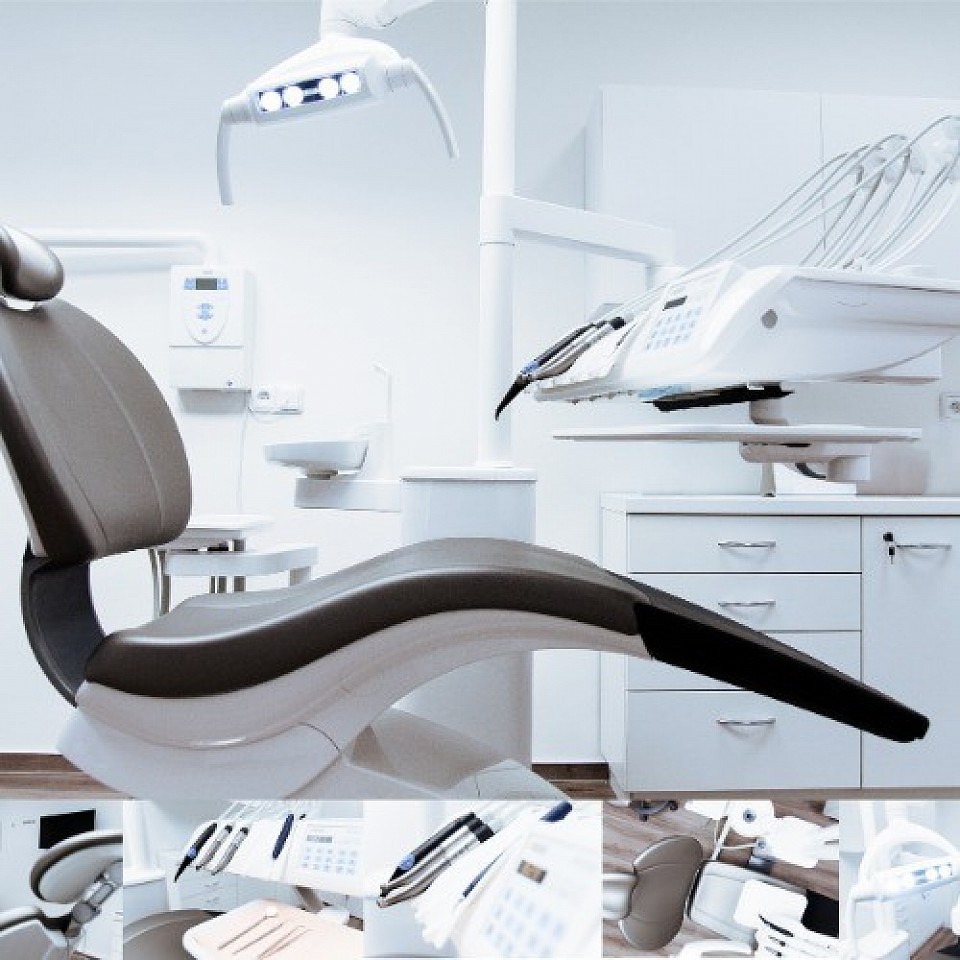
Franklin Smiles: A Practical Guide to Modern Dental Care
Comprehensive Dental Care in Franklin: A Patient’s Guide
Preventive & Diagnostic Foundations
Strong smiles start with consistent care. A trusted franklin dentist focuses on prevention through routine dental exams & cleanings, digital x-rays when indicated, and oral cancer screenings to catch concerns early. Fluoride treatments and dental sealants help protect enamel and reduce cavity risk for both kids and adults. When gum health needs attention, periodontal (gum) care supports a healthy foundation for teeth. Some practices also offer soft-tissue laser therapy to gently address delicate areas and improve comfort during certain procedures. A proactive approach keeps visits efficient and helps you avoid larger issues down the road.
Cosmetic Smile Enhancements
A confident smile can influence how you feel every day. A franklin cosmetic dentist may recommend in-office teeth whitening for fast, noticeable brightening or at-home teeth whitening for flexible, gradual results. Slight chips, gaps, and discoloration can often be corrected with dental bonding or veneers, which blend art and science for a natural look. For alignment concerns, ClearCorrect clear aligners (similar to Invisalign) can discreetly guide teeth into position without brackets or wires. The right plan should reflect your goals, lifestyle, and timeline.
Restorative & Reconstructive Solutions
When damage or decay happens, modern restorative dentistry brings function and beauty back together. Conservative dental fillings repair minor cavities, while dental crowns reinforce teeth that have larger fractures or wear. If a tooth cannot be saved, extractions are sometimes necessary, and replacement options like dental bridges or dentures & partial dentures help close gaps. Many residents exploring long-term solutions consider dental implants franklin for single-tooth replacement or to stabilize dentures. Ridge preservation / bone grafting may be recommended after extractions to support future treatment. Quality materials and precise techniques can enhance comfort and longevity.
Comfort, Safety, and Special Options
Patient comfort matters. Sedation options (oral conscious & nitrous) can ease anxiety and make longer appointments more manageable. Night guards for teeth grinding (bruxism) help protect enamel from wear, while sports guards shield smiles during athletic activities. If jaw discomfort or headaches are concerns, TMJ/TMD treatment can address bite and muscle issues. Appliance cleaning keeps retainers, guards, and dentures fresh and functional. For young patients, pediatric pulpotomies (baby tooth vital pulp therapy) and pediatric dental crowns can preserve developing smiles.
What To Do In A Dental Emergency
Knowing where to turn during an urgent situation saves time and stress. An emergency dentist franklin can help with sudden toothaches, broken teeth, lost fillings, and injuries to cheeks, lips, or gums. If you’re unsure what qualifies as urgent, call a dental clinic franklin for guidance on immediate steps, such as protecting a dislodged tooth or managing pain safely until your visit.
1) Prioritize prevention:
- Schedule regular exams & cleanings.
- Ask about digital x-rays and oral cancer screenings.
- Consider fluoride treatments and dental sealants for added protection.
2) Keep cosmetics conservative:
- Try at-home or in-office whitening before more invasive options.
- Discuss veneers or bonding to correct shape, size, and color.
3) Restore function thoughtfully:
- Choose materials and methods suited to your bite and habits.
- If replacing teeth, compare bridges, dentures, and dental implants franklin with your provider.
4) Plan for comfort:
- Explore sedation options if anxiety is a barrier.
- Use night guards or sports guards to protect teeth from grinding and impact.
5) Prepare for the unexpected:
- Save contact information for an emergency dentist franklin.
- Ask your franklin dentist for home-care tips between visits.
6) Support kids early:
- Use sealants and fluoride to shield young teeth.
- Address cavities promptly with pediatric solutions when recommended.
Choosing the right partner for your smile means aligning goals with comprehensive services and clear communication. Whether you’re refining esthetics with a franklin cosmetic dentist, restoring comfort with a custom crown, or seeking quick support from an emergency dentist franklin, a patient-centered approach makes all the difference. With steady prevention, thoughtful cosmetic and restorative planning, and a readiness for the unexpected, you can enjoy lasting oral health and renewed confidence.
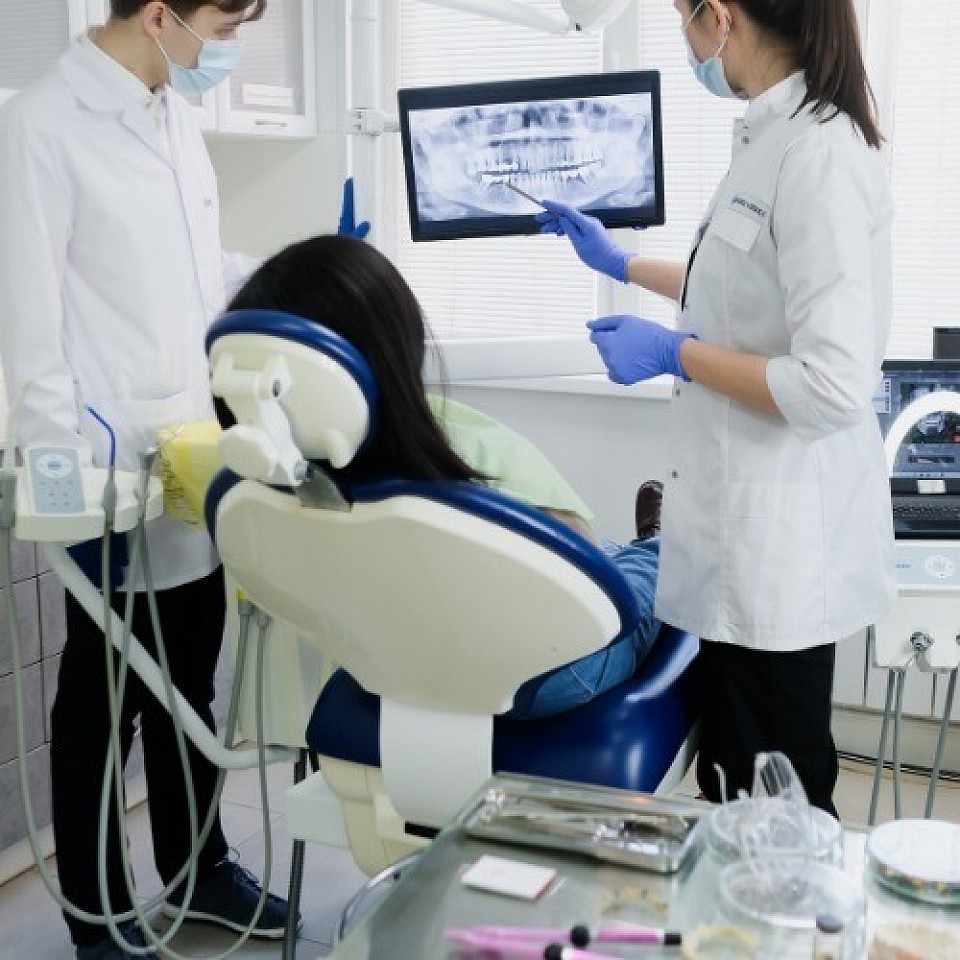
Smarter Smiles: A Franklin Guide to Preventive, Cosmetic, and Restorative Dentistry
Navigating today’s dental options can feel overwhelming, especially when you’re balancing prevention, aesthetics, and long-term oral health. Whether you’re new to town or reevaluating your care, a franklin dentist can help map a plan that blends comfort, function, and confidence. From early cavity prevention to full-mouth restoration, personalized care makes all the difference.
The New Standard for Comprehensive Dental Care
Prevention First: Building a Healthy Foundation
Strong oral health begins with consistent Preventive & Diagnostic Care. Dental exams & cleanings remove buildup you can’t tackle at home and help detect issues early. Digital x-rays provide clear images with efficient, focused exposure, while oral cancer screenings support proactive wellness. Fluoride treatments and dental sealants are valuable for strengthening enamel and protecting hard-to-reach grooves—smart moves for kids and adults alike. For gum health, periodontal (gum) care and soft-tissue laser therapy can reduce inflammation and support comfortable, precise treatment.
Cosmetic Options That Elevate Confidence
When you’re aiming for a brighter, straighter, or more balanced smile, a franklin cosmetic dentist can customize solutions. In-office teeth whitening offers quick, controlled brightening; at-home teeth whitening allows flexible, gradual results. ClearCorrect clear aligners can gently guide teeth into alignment without brackets. Veneers reshape and refine the front surface of teeth, and dental bonding is a conservative way to repair chips or close small gaps. Thoughtful cosmetic planning blends aesthetics with bite function for results that look natural and feel great.
Rebuilding Function with Restorative Treatments
If damage or decay has already taken a toll, restorative & reconstructive treatments can bring back strength and comfort. Dental fillings repair small cavities, while dental crowns protect weakened or fractured teeth. Extractions are sometimes necessary to preserve overall health, and options like dental bridges or dentures & partial dentures restore chewing and speaking. Denture relines improve fit over time. For lasting tooth replacement, dental implants franklin can include placement & restoration, and ridge preservation / bone grafting may help prepare the site for the most stable outcome.
Comfort, Protection, and Special Options
Comprehensive practices consider every layer of comfort and protection. Sedation options (oral conscious & nitrous) can ease anxiety and make visits more relaxing. Night guards for teeth grinding (bruxism) can protect enamel and reduce jaw strain, while sports guards safeguard smiles during athletics. For jaw discomfort and headaches, TMJ/TMD treatment focuses on identifying the root cause. Appliance cleaning keeps mouthguards and retainers fresh. Families also benefit from pediatric pulpotomies (baby tooth vital pulp therapy) and pediatric dental crowns to preserve children’s smiles.
What to Do When Urgency Strikes
Dental emergencies happen at the worst times. An emergency dentist franklin can address sudden toothaches, broken teeth, or infections quickly to limit complications. Until you’re seen, avoid chewing on the affected area, keep the site clean, and store any broken pieces in milk if applicable. Timely care can mean the difference between a simple fix and a complex procedure.
How to Choose the Right Local Provider
1) Confirm comprehensive services, from dental exams & cleanings to crowns, ClearCorrect aligners, and implants.
2) Ask about comfort options, including nitrous or oral conscious sedation.
3) Look for modern diagnostics like digital x-rays and soft-tissue laser therapy.
4) Ensure strong periodontal care for long-term gum health.
5) Evaluate cosmetic offerings—whitening, veneers, and bonding—to match your goals.
6) Verify experience with dentures, denture relines, and dental bridges.
7) Inquire about dental implants, including ridge preservation / bone grafting when needed.
8) Check family-friendly options such as pediatric pulpotomies and pediatric dental crowns.
Your Neighborhood Resource
A trusted dental clinic franklin can streamline every phase of care—routine cleanings, cosmetic enhancements, and complex reconstruction—under one roof. Coordinated planning helps you prioritize the most important steps first and phase the rest on a sensible timeline.
Take the Next Step
If it’s been a while since your last visit, schedule a checkup with a franklin dentist to set a clear path forward. With preventive habits, thoughtful cosmetic choices, and reliable restorative options, you can protect your health and smile with confidence.
Preventive Dentistry That Protects Your Smile: What to Expect and When to Act
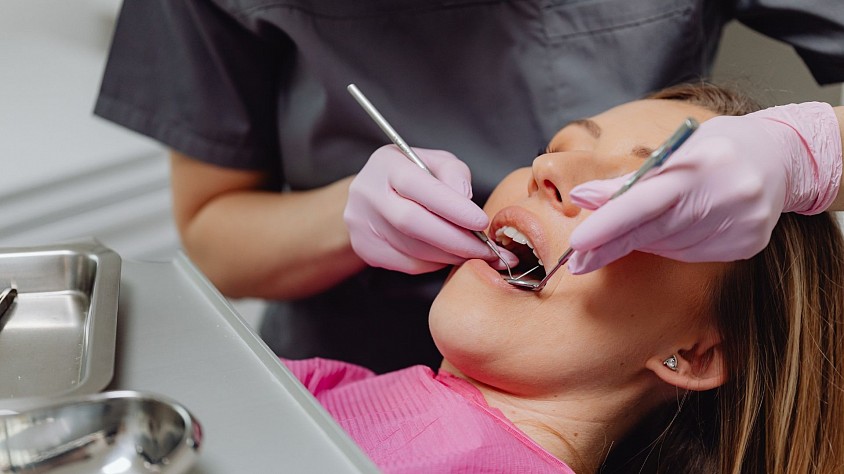
Routine care forms the backbone of long-term oral wellness. Visiting a trusted franklin dentist on a consistent schedule helps catch small concerns early, reduce discomfort, and protect overall health. Prevention is more than a checklist; it’s an ongoing partnership that keeps teeth and gums stable through every season of life.
Why Regular Dental Exams & Cleanings Matter
Dental exams & cleanings remove the plaque and tartar that brushing and flossing can miss. Professional cleanings polish away buildup, while a comprehensive exam evaluates teeth, gums, bite, and soft tissues. This approach helps maintain fresh breath, reduces the risk of decay, and supports gum health. Patients also gain tailored home-care guidance that fits their lifestyle and risk level.
How Digital X-rays and Oral Cancer Screenings Protect You
Digital x-rays provide clear images with efficient imaging technology, allowing precise views of areas between teeth and beneath the gumline. These images aid in identifying decay, bone changes, or other concerns before they become painful or complex. Alongside imaging, oral cancer screenings add a vital layer of protection. A thorough visual and tactile check of the cheeks, tongue, palate, and throat can reveal early signs that warrant further evaluation, making timely referrals and care possible.
Strengthening Smiles with Fluoride Treatments and Dental Sealants
Fluoride treatments fortify enamel, making it more resistant to everyday acid challenges. This is especially beneficial for patients with higher cavity risk or sensitivity. Dental sealants offer additional protection by covering the grooves of back teeth where bacteria often settle. Together, these services create a strong defense for children, teens, and adults who want to lower their chances of decay without adding extra steps to their daily routine.
Managing Gum Health with Periodontal Care and Soft-Tissue Laser Therapy
Healthy gums are essential for a stable foundation. Periodontal (gum) care targets inflammation and helps control bacteria along and below the gumline. When appropriate, soft-tissue laser therapy can be used to gently address affected areas with precision and comfort. This focused approach can support better healing and help maintain gum attachment, giving patients a cleaner, more comfortable baseline for everyday oral hygiene.
When to Seek Help from an emergency dentist franklin
Even with great prevention, urgent issues can arise. Severe toothaches, swelling, trauma, or sudden sensitivity to hot and cold call for prompt attention from an emergency dentist franklin. Quick evaluation helps relieve discomfort and guide the next steps, whether that involves stabilizing the area, recommending follow-up periodontal care, or scheduling further preventive measures. Acting early preserves more options and reduces stress.
Choosing a Preventive-Focused dental clinic franklin
A preventive-focused dental clinic franklin makes it simple to stay on track with routine visits and individualized recommendations. From customized home-care tips to clear explanations of digital x-ray findings, a prevention-first mindset builds confidence. Patients gain clarity on what to monitor, how to improve daily care, and when to return for follow-up.
Your Preventive & Diagnostic Care Checklist
1. Schedule consistent dental exams & cleanings to stay ahead of plaque and tartar.
2. Use digital x-rays as recommended to reveal concerns that aren’t visible during a visual exam.
3. Request oral cancer screenings as part of routine visits for comprehensive soft-tissue evaluation.
4. Consider fluoride treatments to strengthen enamel and reduce sensitivity.
5. Ask about dental sealants for molars and premolars to protect cavity-prone grooves.
6. Follow periodontal (gum) care recommendations to control inflammation and support long-term stability.
7. Discuss whether soft-tissue laser therapy could enhance your gum treatment plan.
A proactive plan keeps your smile resilient. By partnering with a skilled franklin dentist, emphasizing prevention, and knowing when urgent care is needed, you set the stage for lasting comfort, confident function, and a healthier future.
Preventive Dentistry in Focus: What Patients in Franklin Should Know
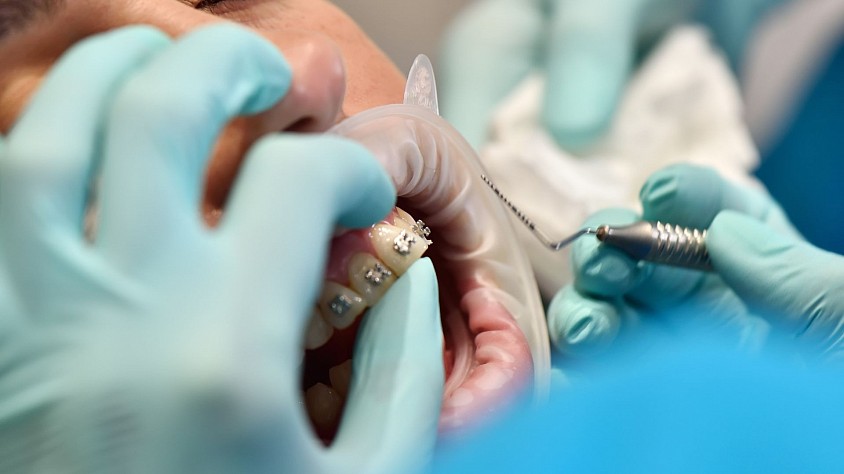
Strong oral health starts with everyday habits and regular professional care. Across communities, patients are rediscovering the value of preventive and diagnostic care to maintain healthy teeth and gums and to avoid complex treatments later. A visit with a franklin dentist can help detect concerns early through dental exams & cleanings and digital x-rays, while tailored guidance keeps at-home routines effective. For families and busy professionals, prioritizing prevention also saves time and stress by reducing the likelihood of urgent problems.
Understanding the Foundations of Care
Preventive & Diagnostic Care serves as the backbone of modern dentistry. Clinical evaluations, oral cancer screenings, and digital x-rays work together to create a full picture of oral health. These tools help detect cavities, gum inflammation, lesions, and other issues at an early stage. When paired with education and home care strategies, preventive visits help patients maintain healthier smiles and fewer complications over time.
Building a Proactive Routine
Regular dental exams & cleanings are essential. Professional cleanings remove plaque and tartar buildup that brushing and flossing cannot fully eliminate. Digital x-rays offer a detailed view beneath the surface, supporting accurate diagnosis and targeted treatment plans. Patients can expect recommendations based on individual needs, from fluoride treatments to dental sealants, especially for those more prone to decay. Periodontal (gum) care is also a key component, focusing on the health of the gums and supporting structures of the teeth.
Services That Strengthen Everyday Health
- Oral cancer screenings help detect suspicious changes early so that additional evaluation can be arranged promptly.
- Fluoride treatments fortify enamel to resist acid attacks.
- Dental sealants create a protective barrier over the grooves of molars where food and bacteria often linger.
- Periodontal (gum) care addresses inflammation, bleeding, and pocketing that can compromise long-term stability.
- Soft-tissue laser therapy may be used to manage certain gum issues with precision and comfort.
When Urgent Needs Arise
Even with consistent prevention, emergencies can happen. An emergency dentist franklin can address sudden toothaches, broken or chipped teeth, lost fillings, or gum injuries. Acting quickly matters; timely care can relieve pain, protect your teeth, and reduce the risk of complications. Keeping your dental records current at a trusted dental clinic franklin simplifies urgent visits and ensures continuity of care.
A Simple Roadmap for Patients
Consider a straightforward plan to maintain and protect oral health:
1. Schedule regular dental exams & cleanings as recommended for your oral health status.
2. Use fluoride toothpaste and floss daily to remove plaque between teeth and along the gumline.
3. Discuss digital x-rays with your dental team to monitor areas not visible during a visual exam.
4. Ask whether dental sealants are a good fit, particularly for children and cavity-prone adults.
5. Request oral cancer screenings during routine visits for comprehensive preventive care.
6. Follow guidance for periodontal (gum) care to manage inflammation and support gum health.
7. Seek immediate help from an emergency dentist franklin if pain, swelling, or trauma occurs.
Technology and Comfort in Modern Care
Today’s prevention-oriented visits prioritize accuracy and comfort. Digital x-rays use advanced imaging to deliver clear views quickly, enabling precise assessments. Soft-tissue laser therapy can enhance certain aspects of periodontal treatment with minimal disruption. This blend of technology and technique supports thorough yet streamlined appointments, reducing uncertainty and helping patients make informed decisions.
The Big Picture
Prevention is an investment in long-term well-being. By working with a franklin dentist for routine evaluations, leveraging services like fluoride treatments and dental sealants, and maintaining readiness for the unexpected through an established relationship with a dental clinic franklin, patients can safeguard their smiles at every stage of life. Thoughtful, consistent care today helps create a healthier tomorrow, one visit at a time.
The Power of Preventive Dentistry: What Today’s Patients Should Know
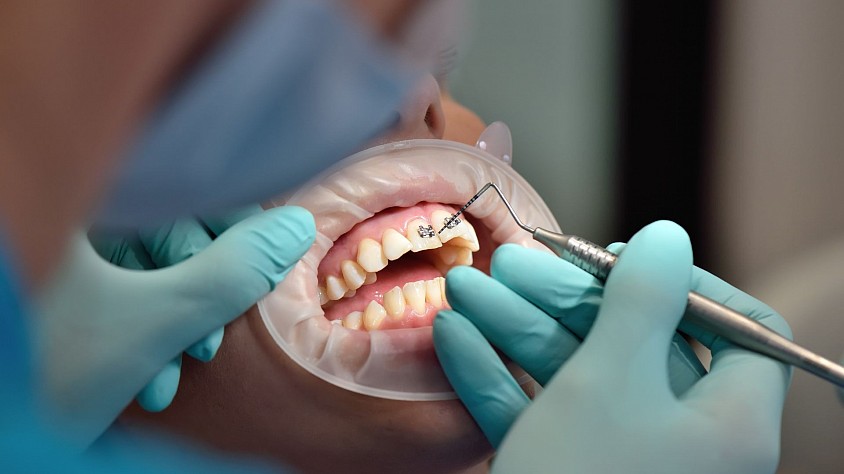
Every smile tells a story, and preventive care helps keep that story bright. Across communities, patients are prioritizing routine visits, early detection, and minimally invasive solutions to preserve natural teeth and overall wellness. From Dental exams & cleanings to Digital x-rays and Soft-tissue laser therapy, modern tools make appointments more comfortable and efficient than ever. Whether you’re comparing options for a franklin dentist or simply planning your next checkup, understanding how preventive care works can guide better decisions for long-term oral health.
Why Preventive & Diagnostic Care Matters
Preventive & Diagnostic Care forms the foundation of any effective dental plan. Regular Dental exams & cleanings remove plaque and tartar that brushing and flossing can miss, while clinical evaluations help identify small issues before they become complex—and expensive—to treat. Diagnostic tools such as Digital x-rays reveal what can’t be seen with the naked eye, aiding in early detection of decay, bone changes, and developing concerns below the gumline.
Building Strong Habits at Every Age
Good habits are essential at every life stage. For children, Dental sealants protect chewing surfaces from cavities, while Fluoride treatments strengthen enamel. Teens benefit from consistent Oral cancer screenings and education on nutrition, sports mouthguards, and daily hygiene routines. Adults and seniors often need additional support for gum health, making Periodontal (gum) care a central focus to reduce inflammation and maintain stable foundations for teeth.
Comfort-Focused Technology in the Operatory
Comfort isn’t a luxury—it’s part of effective care. Digital x-rays minimize exposure and deliver crisp images quickly, helping clinicians explain findings in clear, meaningful ways. Soft-tissue laser therapy enables precise treatment of inflamed tissue and can reduce discomfort and recovery time. When patients understand what’s happening and feel at ease during procedures, they’re more likely to stay on schedule with recommended visits and follow personalized home-care plans.
Choosing the Right Practice for Your Needs
Selecting a provider goes beyond convenience. Look for a dental clinic franklin that emphasizes patient education, transparent communication, and a full menu of preventive services. Ask how frequently they recommend Oral cancer screenings, how they integrate Digital x-rays into diagnostics, and what options are available for Fluoride treatments and Dental sealants. If you manage gum sensitivity or bleeding, confirm that Periodontal (gum) care is available and tailored to your specific risk factors and lifestyle.
What To Expect at a Routine Visit
A typical preventive appointment may include:
- A thorough Dental exam and gum assessment
- Digital x-rays, if needed for updated diagnostics
- Professional Dental cleanings to remove plaque and tartar
- Oral cancer screenings and personalized risk review
- Fluoride treatments or sealants based on your cavity risk
When Urgent Needs Arise
Even with excellent prevention, emergencies can happen. Sudden tooth pain, a broken filling, or trauma from sports may require prompt attention. Knowing where to turn—such as an emergency dentist franklin—can ease anxiety and protect your long-term oral health. Keep your provider’s contact information handy and ask about same-day appointment availability before an urgent situation arises.
Staying Consistent for Lifelong Benefits
The best strategy is simple: show up consistently, follow home-care guidance, and address early signs of trouble quickly. When you combine Preventive & Diagnostic Care with personalized recommendations, you reduce the likelihood of major interventions down the road and keep your smile healthy, functional, and confident.
Everyday Smiles: How a FRANKLIN DENTIST Advances Preventive Care
Healthy teeth and gums start with daily habits, but guidance from a FRANKLIN DENTIST can make those routines more effective and comfortable. Preventive dentistry focuses on stopping small problems before they become complex. It blends education, early detection, and tailored maintenance so people of all ages can keep enjoying strong bites, clear speech, and confident smiles. The evolving landscape of materials, tools, and patient-friendly techniques makes home care simpler and visits more productive. The following points outline current themes shaping preventive care and how they support long-term oral wellness.
1. Home care routines that actually fit your day
Consistency beats intensity. Short, steady routines with a soft-bristled brush and gentle, circular motions help protect enamel and gums. Interdental cleaning with floss or other dentist-recommended tools helps remove buildup in hard-to-reach areas. A fluoridated toothpaste strengthens teeth, and a nonalcohol mouth rinse can freshen breath without causing dryness. Small habit cues—like keeping supplies visible near the sink—make it easier to stay on track between checkups.
2. Early detection through comfortable evaluations
Comfort-focused techniques reduce anxiety and promote thorough evaluations. Bright, focused lighting and magnification help spot color changes, tiny chips, or inflamed tissue. When appropriate, low-sensation tools can assess plaque levels and gum depth with minimal discomfort. The goal is to identify early warning signs so simple adjustments in cleaning, diet, or professional care can resolve issues before they progress.
3. Gum health as the foundation of a stable smile
Gums support the bone and teeth that create stable function. Signs like tenderness, bleeding, or persistent bad breath suggest irritation that benefits from timely attention. A stepwise approach—improved home routines, targeted cleanings, and careful monitoring—helps reduce inflammation. When gums are calm and resilient, brushing is more pleasant, breath is fresher, and teeth feel sturdier during meals and conversations.
4. Enamel protection with mindful food and drink choices
Enamel can’t grow back, so protecting it matters. Sipping water during and after meals helps neutralize acids from coffee, citrus, and carbonated beverages. Chewing sugar-free gum can boost saliva flow, which naturally defends against acid wear. Spacing snacks allows the mouth to recover between exposures. Thoughtful choices, paired with steady hygiene, help teeth stay smoother and less sensitive over time.
5. Personalized guidance for every life stage
Oral needs shift with age and lifestyle. Students balancing sports may ask about mouthguards. New parents often seek tips for caring for baby teeth and soothing teething discomfort. Adults managing busy schedules appreciate streamlined routines that still deliver results. Older adults might benefit from moisture-supporting strategies and gentle tools to protect delicate tissues. Tailored advice from a FRANKLIN DENTIST can fine-tune each person’s plan so it feels achievable and effective.
6. Materials and tools that enhance comfort
Today’s brushes, flossers, and rinses offer options for different preferences and sensitivities. Soft, tapered bristles can reach along the gumline without harsh scraping. Flexible interdental aids make cleaning around crowded teeth less frustrating. Fluoride and calcium-infused products support remineralization, while low-abrasion pastes help polish without unnecessary wear. The right combination can transform daily care from a chore into a quick, confidence-building routine.
7. Building habits that last
Sustainable change often starts with small wins. A two-minute timer on a phone, a playlist with short songs, or brushing during the same part of a daily routine helps cement consistency. Packing a travel kit for work or trips keeps care on schedule. Celebrating progress—less bleeding, cleaner feeling teeth, or fewer sensitivity twinges—reinforces motivation and shows that steady efforts pay off.
Prevention thrives on partnership. With clear guidance, comfortable evaluations, and practical tools, everyday care becomes easier and more reliable. Thoughtful choices at home, supported by routine visits, help protect oral health year-round and keep smiles strong through every season.
Handling Urgent Dental Situations in Franklin: What to Do Before the Appointment
1. Recognize a true dental emergency
Understanding what qualifies as urgent can help you act quickly and appropriately. Sudden, intense tooth pain, a knocked-out or partially dislodged tooth, a cracked or fractured tooth causing pain, uncontrolled bleeding, a lost crown or filling with sharp discomfort, or facial swelling with tenderness all warrant prompt attention. Situations involving difficulty breathing or swallowing, severe facial trauma, or high fever with swelling require immediate medical evaluation at an emergency room. For dental-specific issues, contacting (emergency dentist franklin) can help preserve your oral health and comfort.
2. Control bleeding safely
If there is bleeding from the mouth, gently rinse with clean, lukewarm water to assess the area. Apply light pressure with sterile gauze or a clean cloth for 10 to 15 minutes without peeking, which can disrupt clotting. If bleeding does not slow after steady pressure, seek urgent care. Avoid aspirin directly on gum tissue; it can irritate soft tissue and worsen bleeding. Keep your head elevated and stay calm to help reduce blood flow to the affected area.
3. Protect a knocked-out tooth
When a permanent tooth is knocked out, handle it by the crown (the chewing surface), not the root. Rinse it quickly with clean water if dirty—do not scrub—and attempt to place it back into the socket gently, ensuring it is facing the correct direction. If reinsertion is not possible, place the tooth in milk or a tooth preservation solution. Time matters in these cases, so reaching a provider such as (emergency dentist franklin) right away offers the best chance to save the tooth.
4. Reduce pain and swelling
For discomfort or swelling, use a cold compress on the outside of the cheek in 10-minute intervals to minimize inflammation. Over-the-counter pain relievers taken as directed can help manage symptoms until a visit. Avoid applying heat, which may aggravate swelling, and do not place any medication directly on the tooth or gums.
5. Manage a cracked or broken tooth
If a tooth cracks or breaks, gently rinse your mouth to clear debris. Save any fragments you can locate. Avoid chewing on the affected side, and stick to soft foods. Sharp edges can irritate the cheeks or tongue, so dental wax can provide temporary protection. Prompt professional evaluation can prevent further damage and help maintain structural integrity.
6. Address a lost filling or crown
If a filling falls out or a crown comes off, keep the area clean and avoid sticky or hard foods on that side. A small amount of dental cement from a pharmacy may offer a temporary hold for a crown until it can be reattached, but do not use superglue or household adhesives. Sensitivity is common with exposed tooth structure, so call a provider promptly to prevent increased discomfort or decay.
7. Respond to abscesses and facial swelling
A localized pimple-like bump on the gums, throbbing pain, foul taste, or swelling may indicate an infection that needs attention. Rinsing gently with warm saltwater can provide temporary comfort. Do not attempt to drain an abscess at home. Timely care through (emergency dentist franklin) can help manage infection and protect surrounding tissues.
8. Prepare for your urgent visit
Before you leave home, gather relevant information: a list of current medications, allergies, and recent dental treatments. Bring any tooth fragments or lost restorations in a clean container. If you wear a nightguard or retainer and it’s involved in the issue, bring it along. Having identification and insurance details ready speeds up check-in, and a short history of what happened helps the provider assess quickly.
9. Prevent future emergencies
Routine checkups, prompt attention to minor sensitivity, wearing a mouthguard for contact sports, and avoiding very hard foods reduce the risk of sudden issues. Maintain daily brushing and flossing, and store an at-home kit with gauze, dental wax, a small container, and the phone number for (emergency dentist franklin) in a visible place so it’s accessible when needed.
10. Stay calm and act promptly
Remaining composed helps you follow the right steps and communicate clearly. Quick, informed action can preserve natural teeth, reduce complications, and relieve pain sooner. With simple first-aid measures and timely professional care, most urgent dental situations can be stabilized and treated effectively.
Everyday guidance for a confident smile with DENTAL IMPLANTS FRANKLIN
Choosing a path to restore missing or damaged teeth involves understanding options, timelines, and everyday care. For many adults, DENTAL IMPLANTS FRANKLIN represents a long-term approach that blends function with a natural look. The process centers on creating a stable foundation beneath the gums to support a custom restoration, helping people eat, speak, and smile with confidence. The insights below offer practical guidance on planning, expectations, and maintenance for a smooth experience from consultation to long-term care.
1. Clarify your goals and expectations
Start with a candid conversation about what matters most: appearance, durability, or easier chewing. Bring questions about comfort, appointment steps, healing time, and materials. A clear set of goals helps guide the evaluation, imaging, and planning, ensuring that the final outcome aligns with your day-to-day needs and lifestyle.
2. Understand candidacy and evaluation
Not everyone is ready for an implant on day one. Healthy gums, adequate bone support, and consistent home care are key factors. During evaluation, clinicians assess oral health, bite alignment, and treatment history to map out a personalized plan. If the jaw needs additional support, your team may recommend preparatory steps before moving forward, with the goal of creating a stable, long-lasting foundation for the restoration.
3. Appreciate the functional benefits
DENTAL IMPLANTS FRANKLIN aims to restore more than a smile. The design provides support for chewing a wide variety of foods and helps maintain natural speech patterns by stabilizing the replacement tooth. By anchoring the restoration below the gumline, implants can also contribute to bite balance, which may reduce strain on nearby teeth over time.
4. Consider aesthetics and customization
An implant-supported crown is designed to blend with the shade and shape of neighboring teeth. Attention to gum contours, tooth proportions, and smile line details creates a natural appearance. Discuss shade guides, surface texture, and tooth length to ensure the restoration complements your facial features, whether you are replacing a single tooth or addressing a larger gap.
5. Plan for a step-by-step journey
A thoughtful plan outlines each phase, from initial consultation to placement and final restoration. DENTAL IMPLANTS FRANKLIN typically involves careful healing stages that support long-term stability. Your provider will explain appointment timing, at-home instructions, and follow-up visits. Clear timelines reduce uncertainty and help you plan work, family obligations, and social events around each milestone.
6. Prioritize home care and maintenance
Successful outcomes depend on consistent habits. Daily brushing, interdental cleaning, and routine checkups support gum health around the implant. Consider tools like water flossers or interdental brushes to clean hard-to-reach areas. If you clench or grind, a nightguard can help protect the restoration and surrounding teeth, supporting long-term comfort and function.
7. Protect your investment with lifestyle choices
Diet and daily routines influence oral wellness. Limiting frequent snacking, staying hydrated, and choosing balanced meals can help keep gums resilient. Avoid using teeth to open packaging or bite hard objects. If you enjoy fitness or contact activities, a custom mouthguard adds another layer of protection for your smile.
8. Know the difference versus other options
Compared to removable solutions, implant-supported teeth stay fixed in place, which can feel more like a natural tooth. DENTAL IMPLANTS FRANKLIN focuses on individualized planning to match your oral structure and cosmetic goals. For some, this approach delivers a more seamless chewing experience and a restoration that stays put during conversation and meals.
9. Ask about long-term follow-up
After placement and restoration, periodic evaluations help track gum health, bite forces, and wear patterns. Early detection of minor concerns often leads to simple adjustments. Ongoing communication and scheduled visits support a comfortable, functional smile year after year.
10. Build confidence through education
Knowledge makes the process approachable. Read aftercare instructions, ask about material choices, and understand how each appointment contributes to a stable outcome. With clear expectations, DENTAL IMPLANTS FRANKLIN becomes a manageable, stepwise path toward renewed confidence.
Thoughtful planning, everyday maintenance, and open communication create the foundation for a strong result. With the right guidance and a commitment to home care, an implant-supported restoration can help you enjoy meals, conversations, and photos with comfort and ease.
Advances Shaping Patient-Centered Dentistry Today
Oral health care is moving faster than ever...
Oral health care is moving faster than ever, blending prevention, precision diagnostics, and minimally invasive treatment to create better outcomes and smoother appointments. From the first greeting by a dental hygienist to the final polish on a dental crown, every step increasingly relies on evidence-based protocols and digital tools that enhance comfort and predictability.
Preventive Care: The Foundation of a Healthy Smile
Successful care starts with prevention. Routine dental exams & cleanings remain the cornerstone, removing biofilm that toothbrushes leave behind and catching early signs of trouble. Hygienists now tailor protocols based on risk, providing home-care coaching that reflects a patient’s unique enamel condition, gum health, and lifestyle. Fluoride applications, sealants where appropriate, and dietary guidance round out an individualized prevention plan designed to reduce future treatment needs.
Sharper Diagnostics With Digital X-Rays
Modern practices leverage digital x-rays to deliver high-resolution images at a fraction of the exposure of legacy systems, enabling earlier detection of decay between teeth, assessment of bone levels, and precise treatment planning. For a dental implants provider, these images are crucial in evaluating bone quality and positioning. Digital imaging also streamlines communication: clinicians can zoom, annotate, and review findings with patients chairside, promoting informed decisions.
Cosmetic and Alignment Options for Natural-Looking Results
A cosmetic dentist approaches smile design holistically—balancing tooth shape, shade, and facial symmetry. ClearCorrect clear aligners discreetly move teeth into alignment, often improving not just aesthetics but bite function and oral hygiene access. Whitening protocols can be sequenced before restorative work to match brighter shades, while conservative bonding refines edges and closes small gaps. The goal is a result that looks like you—just more harmonious.
Restorative Solutions That Respect Your Tooth Structure
When decay or fracture occurs, conservative dental fillings restore integrity with lifelike composites that bond to enamel and blend with surrounding tooth color. When damage is more extensive, dental crowns protect and reinforce remaining structure, helping preserve natural roots. Implants replace missing teeth with remarkable stability, supporting chewing function and facial contours. A well-integrated plan may combine multiple modalities for long-term durability and comfort.
Comfort, Safety, and Access When You Need It Most
Patient comfort is central. Sedation options, when appropriate, help anxious patients receive needed care confidently. An emergency dental service can triage sudden pain, broken teeth, or infections, prioritizing relief and stabilizing the condition until definitive treatment is planned. Practices increasingly coordinate same-day or next-available care to minimize downtime and discomfort.
Choosing Local Care That Fits Your Life
Selecting the right home for your oral health means weighing clinical quality, communication style, and convenience. Look for teams who explain findings clearly, invite your questions, and provide transparent options. For families, flexible scheduling and continuity with a trusted dental hygienist can simplify busy calendars. If you’re comparing options, consider how well each practice integrates technology, prevention, and aesthetics to keep care efficient and personalized—qualities you’ll often find at a well-established dental clinic franklin.
What to ask at your next visit:
-
How does my personal risk profile influence the frequency of dental exams & cleanings?
-
Which areas on my digital x-rays should I pay attention to over time?
-
Am I a candidate for ClearCorrect clear aligners or whitening before restorative care?
-
Would a filling or a crown be the most conservative, long-lasting option for this tooth?
-
What comfort measures or sedation choices are available for longer appointments?
The modern standard of care...
The modern standard of care is collaborative, data-informed, and tailored to you. By pairing preventive vigilance with precise, minimally invasive treatment, today’s dentistry helps you protect what matters most: your natural smile.
Smarter Smiles in Franklin: What Today’s Patients Should Know About Comprehensive Dental Care
Modern Dentistry That Meets Real-Life Needs
Advances in oral health care continue to make appointments more precise, comfortable, and personalized. From preventive visits to complex restorations, patients benefit when a practice aligns technology with a full menu of services, including an on-call approach for unexpected problems. That’s why having access to an emergency dentist franklin can trust is essential alongside everyday care that keeps smiles healthy year-round.
Prevention First: Your Daily Advantage
Healthy teeth and gums start with strong preventive habits backed by professional support. Routine dental exams & cleanings allow a dental hygienist to remove buildup, monitor gum health, and flag small concerns before they become bigger issues. Digital x-rays complement visual exams with crisp images that help detect cavities between teeth, track bone levels, and guide treatment decisions with accuracy and low exposure. Prevention also means discussing home care techniques, diet, and any changes in sensitivity or bite.
Cosmetic Options with a Purpose
A confident smile can influence how you feel and how others perceive you. A cosmetic dentist focuses on improvements that look natural while protecting long-term function. Options may include tooth-colored dental fillings that blend seamlessly or dental crowns that restore strength and symmetry. For alignment concerns, ClearCorrect clear aligners offer a discreet, removable path to straighter teeth without brackets, often improving oral hygiene by making cleaning easier during treatment.
When Urgent Care Can’t Wait
Tooth pain, cracked enamel, or a knocked-out tooth can strike at the worst times. An emergency dental service helps reduce pain, stabilize the situation, and protect long-term health. Quick guidance—such as how to store a dislodged tooth or manage swelling—can make a critical difference before you arrive. Knowing where to turn for an emergency dentist franklin residents can reach promptly brings peace of mind to families juggling work, school, and busy schedules.
Restoring Strength and Function
When damage or decay compromises a tooth, modern restorative techniques aim to preserve as much natural structure as possible. Dental fillings repair smaller areas, while dental crowns provide full-coverage reinforcement for teeth weakened by fractures, large cavities, or prior procedures. For missing teeth, a dental implants provider can replace roots with durable posts designed to support crowns and help maintain bone structure. Sedation options may be available to ease anxiety and help patients receive care comfortably during longer visits.
How to Build a Reliable Dental Routine
-
Schedule consistent dental exams & cleanings: Regular visits help maintain gum health, detect issues early, and reduce the need for extensive treatment.
-
Use digital x-rays as recommended: Diagnostic images offer clarity for treatment planning and reveal problems not visible to the eye.
-
Ask about personalized prevention: Discuss fluoride use, sensitivity solutions, and brushing and flossing techniques tailored to your mouth.
-
Consider alignment solutions: ClearCorrect clear aligners can improve bite harmony, which may enhance comfort and oral hygiene.
-
Prioritize timely repairs: Address chips, wear, or cavities promptly with dental fillings or dental crowns to prevent further damage.
-
Prepare for the unexpected: Save contact details for a trusted emergency dental service so you can act fast when pain or trauma occurs.
-
Discuss comfort choices: If you feel anxious, ask whether sedation is appropriate for your needs and the procedures you’re considering.
Your Path to Lasting Oral Health
Comprehensive dental care blends prevention, aesthetics, and restoration into one cohesive plan that evolves with your needs. With routine support from a skilled dental hygienist, access to precise digital x-rays, and solutions ranging from ClearCorrect clear aligners to strong dental crowns, patients can protect and enhance their smiles at every stage. And when life happens, a responsive emergency dentist franklin families can rely on ensures you never have to face urgent dental issues alone.
What Patients Should Expect from Modern Dentistry in Franklin
The Future of Patient-Centered Dental Care
Modern dentistry continues to evolve with technology, comfort-focused techniques, and a stronger emphasis on prevention. Patients today expect convenient care that blends precision diagnostics, minimally invasive treatments, and clear communication. In communities like Franklin, local families often turn to dental clinic franklin for guidance on what comprehensive care should look like across every stage of life.
Preventive Foundations: Dental Exams & Cleanings
Prevention remains the backbone of oral health. Routine dental exams & cleanings help detect early signs of decay, gum issues, and bite changes before they become complicated problems. A skilled dental hygienist plays a vital role, using gentle techniques and tailored home-care tips to help patients maintain healthy teeth and gums between visits. Consistent prevention also minimizes the need for extensive restorative work later on.
Clearer Diagnostics: Digital X-Rays
Digital x-rays have transformed diagnostics by providing crisp images with efficient, chairside viewing. Clinicians can zoom, adjust contrast, and compare images over time to spot subtle changes. This enhances accuracy and allows for better patient education, as images are easy to share and explain. With streamlined imaging, treatment planning becomes more precise, which supports outcomes and overall patient satisfaction.
Restorative and Cosmetic Solutions: Fillings, Crowns, and Cosmetic Dentist Services
When teeth are damaged by decay or wear, dental fillings restore structure while preserving as much natural tooth as possible. For more extensive damage, dental crowns protect and strengthen teeth, re-establishing function and appearance. Patients seeking enhancements like improved symmetry or a brighter-looking smile can consult a cosmetic dentist for customized plans that respect tooth integrity and facial balance. The goal is always to blend aesthetics with long-term health.
Tooth Replacement That Lasts: Dental Implants Provider
A dependable dental implants provider can replace missing teeth with solutions designed for stability and natural appearance. Implants help maintain bone structure and support chewing efficiency, often allowing patients to enjoy a wider variety of foods comfortably. Careful evaluation, planning, and follow-up are critical to long-term success, underscoring the importance of choosing a provider who prioritizes personalized treatment.
Aligned and Comfortable: ClearCorrect Clear Aligners and Sedation
ClearCorrect clear aligners offer a discreet path to a better-aligned smile. The removable trays allow for easier brushing and flossing, which supports gum health during treatment. For patients with dental anxiety or complex procedures ahead, sedation can make visits more manageable by reducing stress and promoting relaxation. When used appropriately, these approaches improve comfort and compliance without compromising quality.
Responsive Care: Emergency Dental Service
Dental emergencies—such as sudden tooth pain, a lost crown, or a broken filling—require prompt attention. An emergency dental service can stabilize discomfort, protect oral structures, and plan definitive treatment quickly. Timely intervention often prevents escalation and helps patients return to normal routines sooner.
What to Look for When Choosing a Dental Team
-
Comprehensive prevention: Consistent dental exams & cleanings led by a dedicated dental hygienist.
-
Advanced diagnostics: Clear digital x-rays for accurate, efficient treatment planning.
-
Versatile solutions: Dental fillings, dental crowns, and access to a cosmetic dentist for tailored improvements.
-
Reliable replacement options: An experienced dental implants provider with thorough evaluations.
-
Comfort and convenience: ClearCorrect clear aligners and appropriate sedation options.
-
Readiness for the unexpected: An accessible emergency dental service with prompt scheduling.
-
Transparent communication: Clear explanations, realistic timelines, and collaborative decision-making.
Patients benefit most when care plans are customized and proactive. By focusing on prevention, leveraging modern imaging, and choosing treatments that respect both function and appearance, dentistry can be predictable, comfortable, and long-lasting. Whether you’re maintaining routine health, considering alignment, or exploring tooth replacement, today’s best practices make it easier to feel confident at every step.